How Chess Turns Kids into Thinkers, Problem Solvers & Leaders
Today, parents are so busy these days that they’re always on the lookout for fun and educational ways to engage their child’s brain.
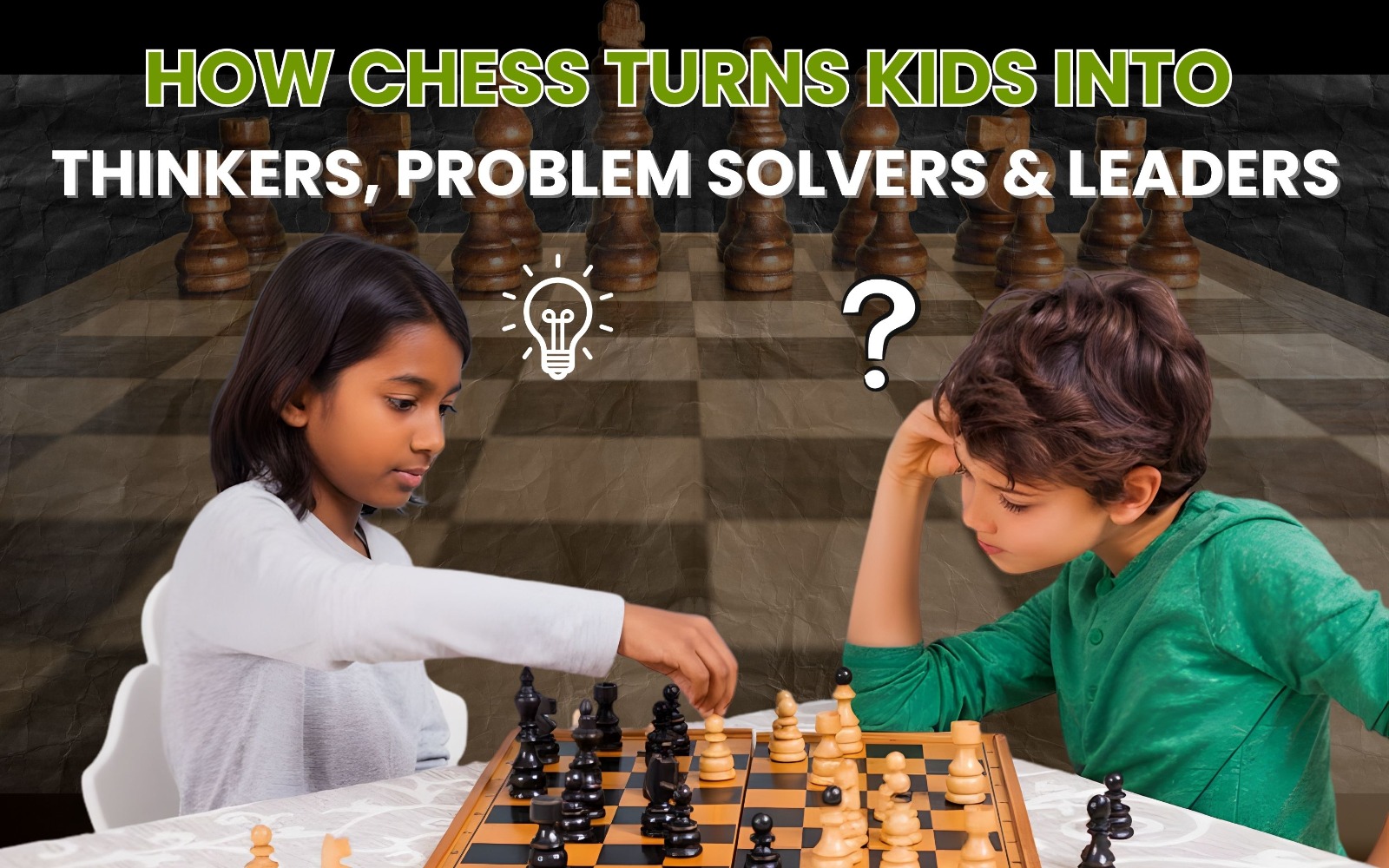
How Chess Turns Kids into Thinkers, Problem Solvers & Leaders
Chess has been loved for centuries, and even today it continues to be one of the best brain-boosting games for children. In a world full of mobile games and distractions, chess stands out as a game that builds intelligence, patience, strategy, and confidence. Many parents now choose online chess classes and digital platforms to help their children learn the game from a young age. But what makes chess so powerful for a child’s brain? And why is it considered one of the best games for overall mental development?
Chess Exercises the Brain, Trains You to Play Good Moves
Chess is one of the only games in which you must plan five moves ahead. A child must constantly analyse:
- What if I shift this piece?
- How will my opponent play?
- Does this play help me win, or does it put me at risk?
These small questions develop critical thinking skills. Children learn to develop confidence in solving problems which extends to other school subjects such as maths and science. That’s why some parents adopt chess classes for beginners, in which instructors teach kids gradually (from simple movements to complicated combinations).
Chess Boosts Memory & Concentration
Chess requires remembering multiple things:
- How each piece moves
- Opening moves
- Patterns
- Opponent’s previous moves
- Strategies and tricks
Saying these frequently also aids in short-term and long-term memory development for a child.
Chess Encourages Creativity & Imagination
Lots of people think chess is all about logic, but it’s very creative as well. Children have to visualize the board, future positions and concealed sets.
This type of creative reasoning enables:
- Creativity
- Innovative ideas
- Smart decision-making
A good online chess academy introduces kids to a variety of styles of playing that help them evolve their own style.
Chess Builds Patience & Discipline
Kids today are awash in fast entertainment from short videos to video games but the game of chess teaches a value that few in the real world seem to embody.
A child must:
- Sit calmly
- Think deeply
- Wait for the right moment
- Make the best decision
All of this practice in the discipline helps them to do better on tests, on projects, on life. Chess coaching online coaches guide kids through the ways that patience is a strength and leads to victory.
Chess Improves Academic Performance
Research demonstrates that children who play chess regularly improve in subjects such as:
- Mathematics
- Science
- Reading
- Logical reasoning
- Problem-solving tasks
That’s because chess engages both sides the left for logic, and the right for creativity. The mental toughness you acquire in the game transfers to academics. Parents frequently see improvement in just a few months of chess classes online.
Chess Teaches Children How to Thrive Under Pressure & Help Them Become More Confident
Each game of chess is unlike every other. Children encounter new positions, unplanned movements and startling problems. With time, they figure out how to remain cool under pressure.
Chess teaches kids:
- To think before reacting
- To stay confident
- To learn from mistakes
- To try again until something works
These skills of life are just as crucial as learning in the classroom. An organized chess class online allows children to learn how to analyze their errors and make progress without being afraid.
New Ways of Studying Chess with Online Teaching
However, nowadays chess classes online present a host of advantages that you can’t get from offline format lessons:
- ✔ Get trained by certified coaches all over the globe
- ✔ Flexible timings
- ✔ Safe learning at home
- ✔ Interactive utilities & electronic chess boards
- ✔ Affordable fees
There are platforms available such as online chess academy programs which marry professional coaching with technology to make the game of chess fun and effective for all age categories.
Perfect for Beginners: Step-by-Step Learning
If your child is new to chess, don’t fret. Beginner chess lessons cover the very basics:
- Understanding the board
- Piece movements
- Check & checkmate
- Opening principles
- Strategy such as forks, pins, and skewers
- Endgame techniques
The kids progress to tournaments timed games and advanced strategy. All levels are welcomed in chess coaching online programs. A well regulated chess coaching online program sees to it that each child advance without fear. .
Life Lessons From the Chess Board
Chess is not just winning or losing. It imparts values that serve children well throughout life:
Through online chess classes, children use their screen time to:
- Planning before taking action
- Learning from every mistake
- Thinking calmly under pressure
- Respecting opponents
- Never giving up
Such values contribute to personal development, leadership and emotional resilience.
Conclusion
We already know that chess is so much more than pushing pieces across a board the benefits of learning and playing chess stretch further than your average game of strategy. With the rise of distance learning in online chess classes, every child will be able to learn from top tier coaches, improve rapidly and see the fruits of this timeless game pay dividends.
If your child is a beginner or already knows how to play, you may consider enrolling them in an online chess academy or chess coaching online to help them improve.