Is Chess in the Olympics?
Uncover the story of the Chess Olympiad, the hurdles to Olympic inclusion, and what the future holds for chess on sport’s biggest stage
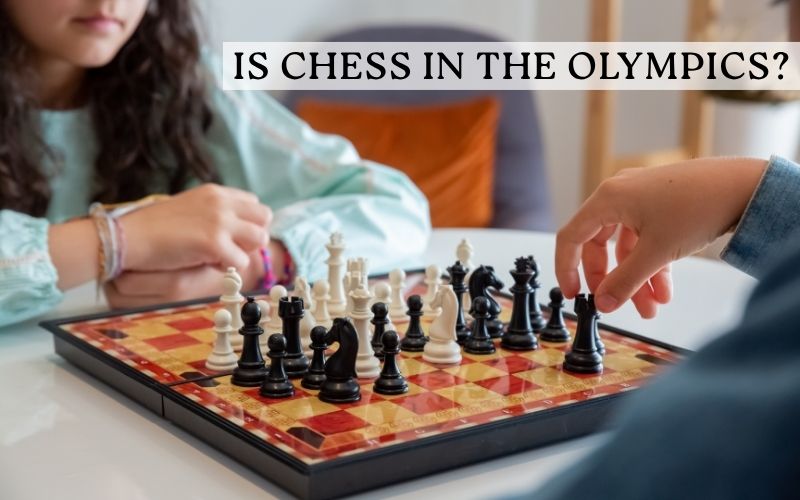
Is Chess in the Olympics? Exploring the Status of Chess in the Olympic Games
Chess has long been called a mind sport, and for good reason. It weighs your brain more than your biceps yet still commands serious respect worldwide. Some people have wondered why you never spot a grandmaster slugging out a match on the opening-day stage at the Summer Games.
The Chess Olympiad vs. the Olympic Games
Chess Olympiad
The Chess Olympiad has been run by FIDE, the world chess body, since 1927. Every two years, it brings together national teams from over 180 countries, divided into a mixed section and a women-only section. Many players call it the very top-of-team chess competition.
Olympic Games
The Olympic Games roll around every four years and cover a huge range of sports,
more than 100 if you count Summer and Winter separately.
Their organizing body is the IOC, which emphasizes speed,
strength, and other forms of raw athletic power.
Chess has never cut these wider Olympic meet-ups.
Despite the shared name and a wink of goodwill between nations, the two Olympiads operate in completely different arenas. The chess version does not answer the IOC, and that keeps the board game outside the stadiums full of runners, swimmers, and gymnasts.
Why Isn’t Chess an Olympic Sport?
Several factors have prevented chess from gaining full Olympic status:
1. Physicality Requirement The IOC tends to favor sports with a significant physical component. While chess demands intense mental stamina, it lacks the athletic motion that characterizes Olympic competition.
2. Event Duration & Format POlympic events are usually completed within hours or days. High-level chess games can last six hours or more, making scheduling within a tight game timetable challenging.
3. Doping & Fair Play Chess is not immune to concerns about performance-enhancing drugs especially stimulants that aid concentration. Integrating anti-doping protocols into chess competitions would require significant coordination with the World Anti-Doping Agency (WADA).
4.Global Popularity vs. Participation While chess is played worldwide, the IOC also looks at spectator interest and broadcast potential. Despite a passionate community and rapid growth in online viewership, chess has yet to demonstrate the TV-audience appeal of existing Olympic sports
Campaigns for Olympic Inclusion
Over the decades, FIDE has made several formal requests to the IOC to include chess as a medal sport. Key milestones include:
- 1988: FIDE gains recognition from the IOC as an International Sports Federation
- 1999: Chess is granted “Observation Status” by the IOC, the first step toward inclusion
- 2016: FIDE lobbies for chess to be part of the Youth Olympic Games (YOG), though ultimately without success
Despite these efforts, chess remains on the periphery of Olympic consideration. It continues in “demonstration” or “festival” roles at some multi-sport events, but no official medal competitions have been held.
Chess Moves Toward the Olympic Movement
Although full Olympic status remains out of reach, chess has made inroads into Olympic-adjacent programming:
- Mind Sports Olympiad
- Asian Games & European Games
- Olympic Esports Week (2023)
An annual multi-game event in the UK featuring chess alongside Go, bridge, and other mind sports.
Chess has appeared as a medal sport at the Asian Indoor and Martial Arts Games (2005, 2007, 2009) and as a demonstration sport at the European Games.
Chess.com ran tournaments under the Olympic Esports banner, showcasing the game to a broader audience.
These venues help chess demonstrate its competitive depth, spectator appeal, and ability to integrate with Olympic infrastructure.
What the Future Holds
So, is chess in the Olympics? Not yet but chess’s growing digital footprint and global popularity may change the IOC’s calculus:
- Online Spectatorship
- Youth Engagement
- Hybrid Formats
Platforms like Twitch and YouTube regularly draw hundreds of thousands of live viewers to major tournaments, such as the 2023 chess championship. This online buzz strengthens the case for chess’s mass-audience appeal.
Incorporating chess into school curricula worldwide has fueled youth participation, a key metric for Olympic inclusion.
Shorter “rapid” and “blitz” formats could fit into an Olympic schedule more easily than classical games. FIDE has already proposed including these faster time controls.
If FIDE secures full “Recognized Sport” status and addresses the IOC’s concerns on physicality, anti-doping, and broadcast interest, chess could one day see its flag raised alongside other Olympic champions.
Ready to sharpen your skills?
Explore our chess online classes, join a chess tournament online, or challenge yourself with our chess puzzle game series here at Unique Champs Chess Foundation. Whether you aim for local competitions or dream of future Olympic glory for chess, we’re here to guide you every move of the way.
Conclusion
While chess remains one of the world’s most prestigious sports, it has so far been absent from the official Olympic program. Through persistent lobbying, innovative event formats, and a surge in global viewership, the chess community continues to push for recognition. Whether the timeless duel of king and pawn will share the Olympic stage with track and field or gymnastics remains to be seen but the game’s strategic depth and universal appeal make it a strong contender for future inclusion.