Play Chess for Cash: Your Guide to Money-Prize Tournaments
Learn tips, rules, and best practices to compete confidently and win real prizes in chess tournaments for money.
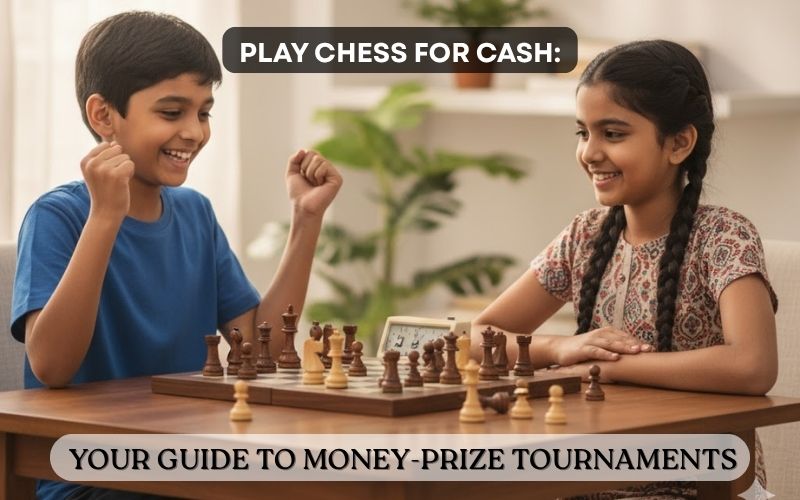
Chess Tournament for Money: A Complete Guide to Money-Prize Tournaments
Winning cash in a chess tournament sounds exciting and, honestly, a little addictive. Chopping your way through a bracket and walking away with money or at least bragging rights is much different from a Friday night 10-cent blitz on your phone. Before you head to the nearest hall and pay a registration fee of a few bucks, spend ten minutes figuring out how the whole thing works. Most organizers post subtle but important rules with the sign-up link, miss those, and you might lose your entry or sit staring at a clock you thought was frozen.
How Paid Chess Tournaments Work
Almost every money-bag chess tournament starts the same way: players drop some cash on the table, the host collects it, and then the pile grows. When the clock finally stops for good, prizes spill out according to an old schedule that usually hands most of the dough to the biggest scorers, throws a few bucks at folks in lower-rating pools, and may toss a quick reward for the game that made everyone gasp.
Prize Structure
Prize structures vary widely. A small local event might offer ₹5,000 total for the top three spots, while a larger open in a major city could boast ₹1 lakh or more in prizes. Common formats include:
- Top-Heavy:
- Tiered:
- Boutique:
A large share (often 40–50%) goes to first place, with diminishing amounts for runners-up.
Several fixed prizes for places 1–6, plus additional awards by rating group.
Special awards such as “Best Unrated Player” or “Best Female Participant.”
Entry Fees and Registration
Entry fees typically range from ₹200 for small club events up to ₹5,000 (or more) for high-profile opens. Some organizers let you pay online via UPI or credit card, while others still prefer cash or bank transfer. Make sure to register before the deadline late entries may incur extra charges or be turned away.
Key Regulations to Know
Chess tournaments with cash prizes follow official rules to ensure fair play. Most events adhere to FIDE’s Laws of Chess, supplemented by local regulations defined in the tournament announcement.
Fair Play and Anti-Cheating
Anti-cheating measures are stricter than ever. Organizers may use:
- Electronic Scanning:
- Video Surveillance:
- Arbiter Observation:
Hand-held metal detectors to catch hidden devices.
Cameras pointed at boards and players.
Trained arbiters watching for suspicious behavior.
If you’re competing online, platforms like Chess.com and Lichess run anti-cheating software that analyzes move timing and engine similarity. In any case, cheating allegations can lead to immediate disqualification and forfeit of prizes.
Time Controls and Formats
Most money tournaments use classical time controls (e.g., 90 minutes for 40 moves plus a 30-minute finish) to ensure a high standard of play. Blitz and rapid events are also common, especially online, with controls like 5 + 3 (five minutes base plus three seconds increment). Always check the exact format: ties may be broken by Buchholz score, direct encounter, or even Armageddon playoff games.
Tips for Success
Arrive at the venue early to complete registration, pick up your score sheet, and settle in. Set your clocks correctly and confirm pairings with the arbiter. During games:
- Maintain Etiquette:
- Watch the Clock:
- Record Moves Accurately:
Shake hands before and after, avoid unnecessary noise, and keep your focus on the board.
Use increment wisely, a quick 10-second gain can be crucial in tight endgames.
A proper scoresheet protects you in case of disputes and helps with post-game analysis.
Best Practices on Tournament Day
- Choose the Right Event:
- Study the Regulations Ahead of Time:
- Prepare mentally and Physically:
- Manage Your Bankroll:
Match your current level and budget. A local ₹200 tournament may be less stressful for your first cash-prize event than a high-stakes open.
Know the fair-play rules, time-control details, and tie-break methods, so you’re not surprised on game day.
Chess marathons demand focus. In the days leading up to the tournament, get a good night’s sleep, stay hydrated, and practice at the event’s time control.
Allocate a reasonable portion of your chess budget to entry fees. Don’t chase big prizes at the expense of financial comfort.
After your round, take a short break stretch, grab water or a light snack, and review key moments of your game. Even if you lose, quick analysis helps you learn and come back stronger in the next round.
Conclusion
Playing in a chess tournament for money adds excitement and motivation to your chess journey. By understanding how entry fees and prizes work, familiarizing yourself with regulations, and following smart tips and best practices, you’ll maximize your chances of success both on the board and in your wallet. So pick your next event, prepare well, and enjoy the thrill of competing for real stakes!